
I’m stumped. It’s like an unsolvable word problem from grade school math.
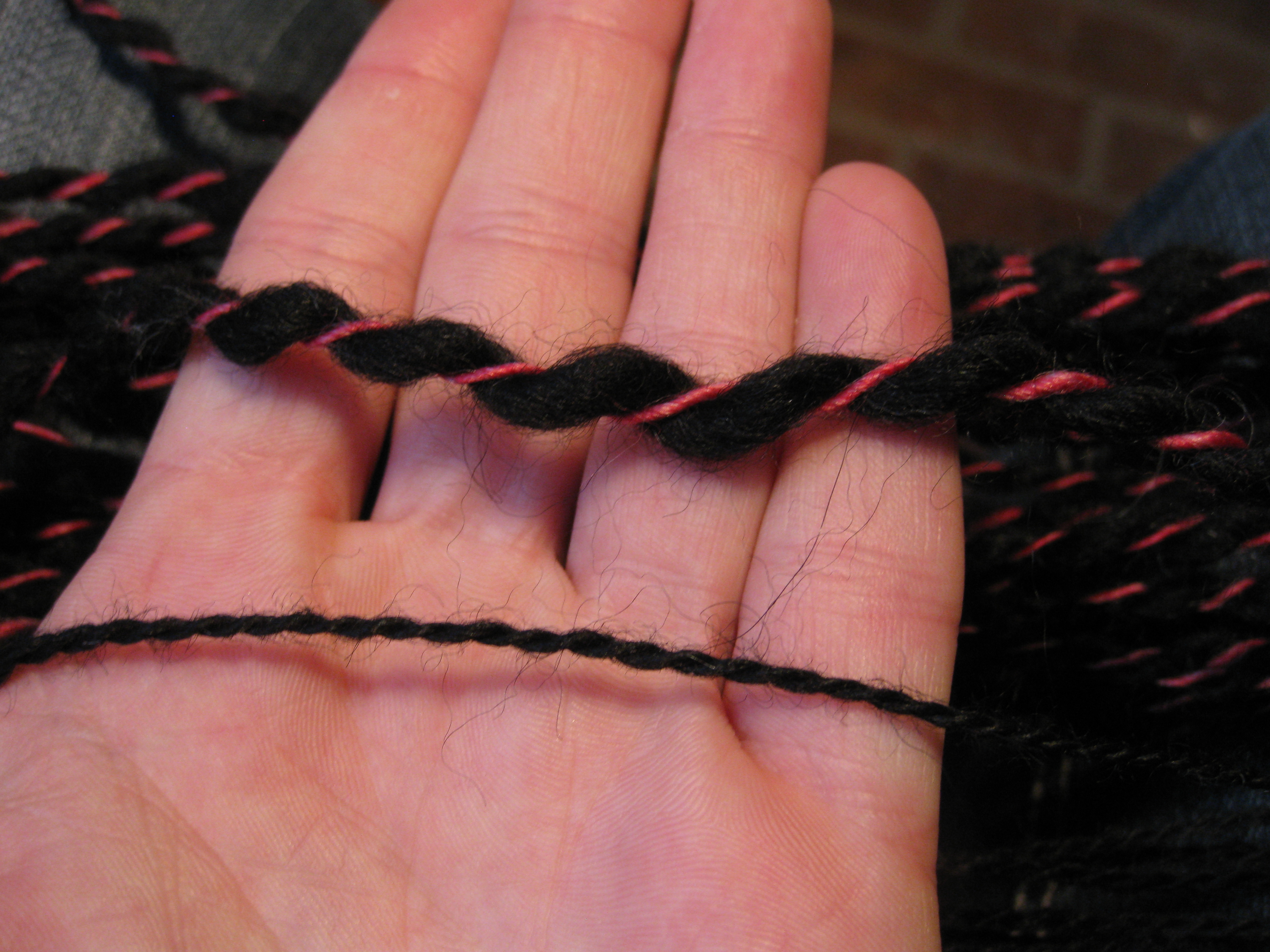
I start with 6 ounces of unspun fiber, intending to make 6 ounces of finished 2-ply yarn. I divide that roving in half, and spin a bobbin of singles from each half. So I should have 3 ounces of single on each bobbin. But when I weigh the finished singles, I only have around 2.5 ounces on each bobbin. I’ve somehow lost an ounce of fiber between the roving and the single strand of yarn.
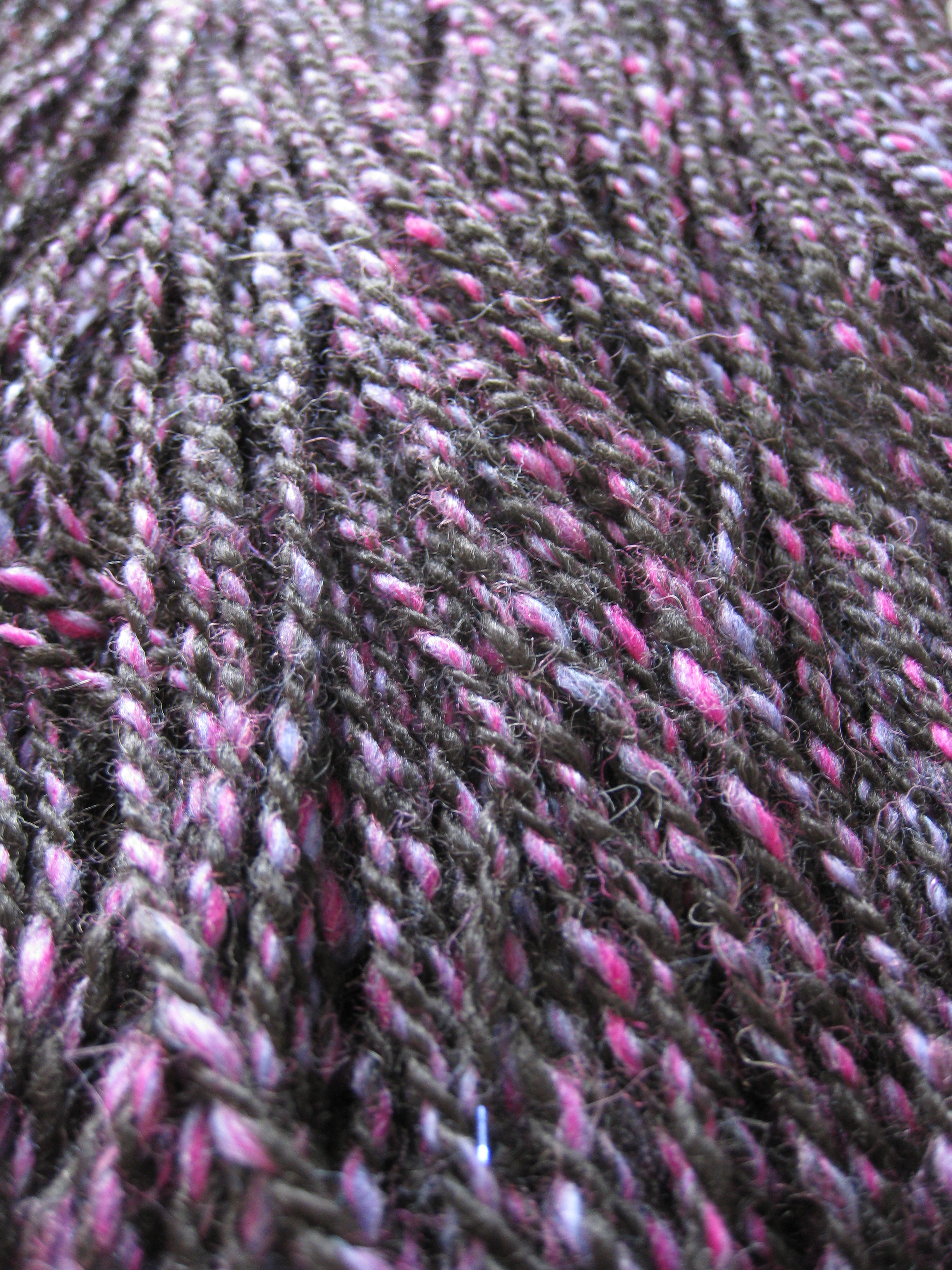
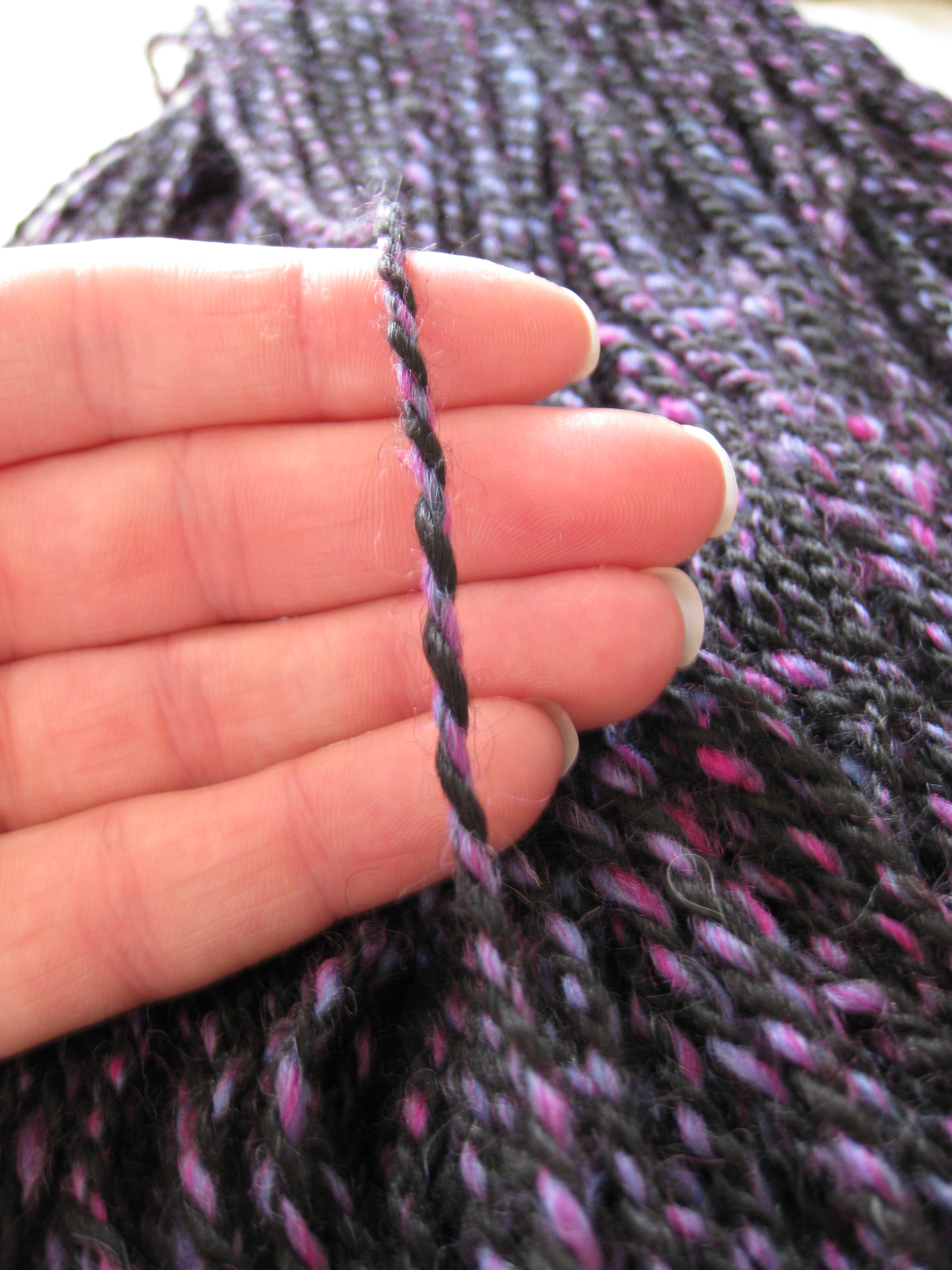
It gets worse. Now I ply the singles together to make the finished 2-ply yarn. When I weigh that I’m expecting at least 5 ounces of yarn, but instead I get around 4.5 ounces. I’ve lost another half an ounce.
Every time I spin, it’s the same impossible occurrence. One of the fundamental principles of chemistry is the law of conservation of mass, which states that matter cannot be created or destroyed, though it’s form can be altered.
So my question is this: where the heck does 25% of my fiber go between my roving and the finished skein of yarn?
I guess it’s no wonder I was always getting marked down in chemistry lab for low yields.
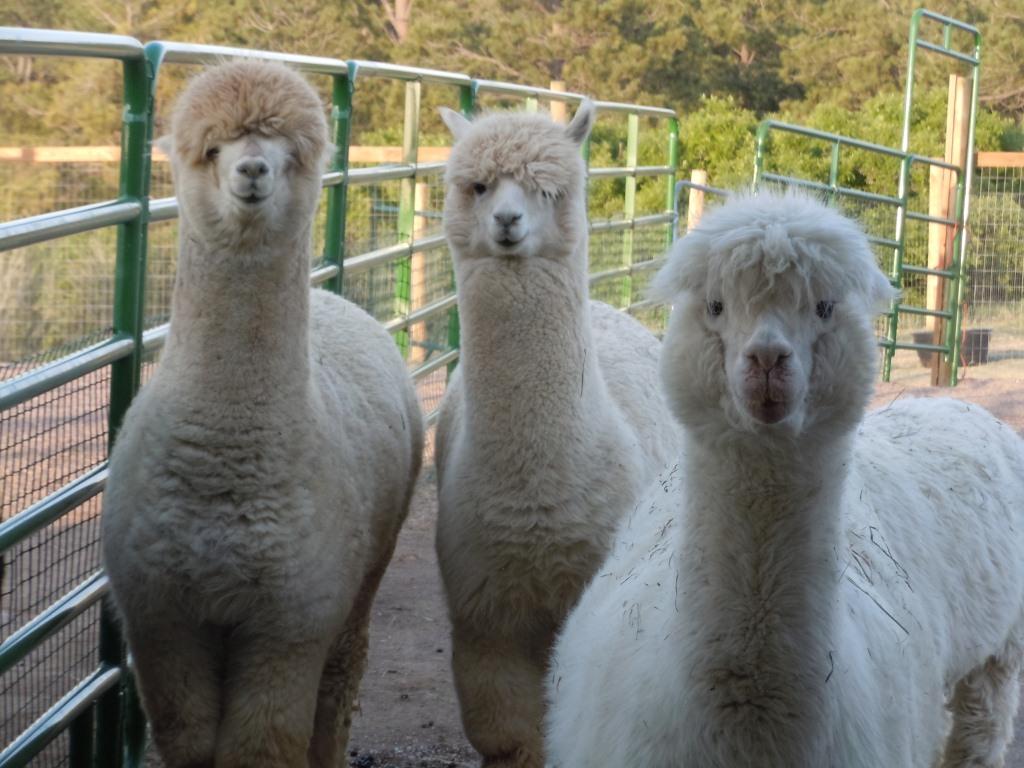
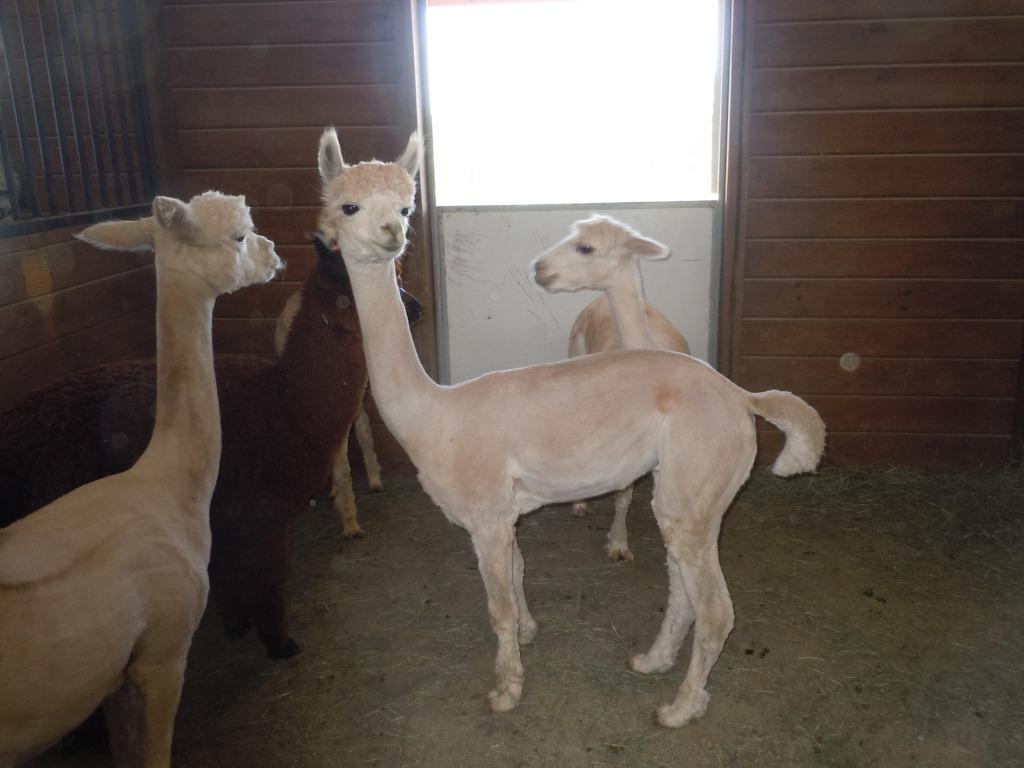










 Cliff House Alpacas